Raised Garden Bed Essentials for Growing Vegetables
Everything you need to know about materials, soil preparation, and vegetable selection for successful raised bed gardening
Why Raised Beds Work So Well
Raised garden beds aren't just trendy — they're genuinely practical. You'll get better drainage, warmer soil in spring, easier access without bending constantly, and way better control over what goes into your growing space. Plus, they look clean and organized in any yard.
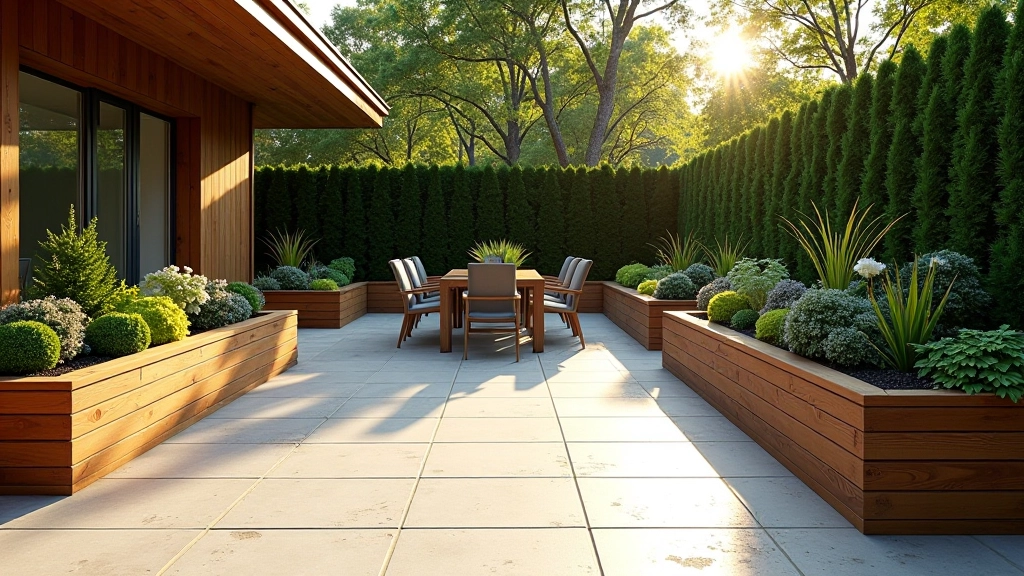
Whether you're starting your first vegetable garden or expanding an existing one, raised beds give you the freedom to garden on your terms. We've been designing outdoor spaces in Marijampolė for over a decade, and we've seen raised beds transform backyards from empty patios into productive growing zones that families actually use.
4-6
weeks to first harvest
2x
more yield per sq ft
15+
vegetable varieties possible
Choosing the Right Materials
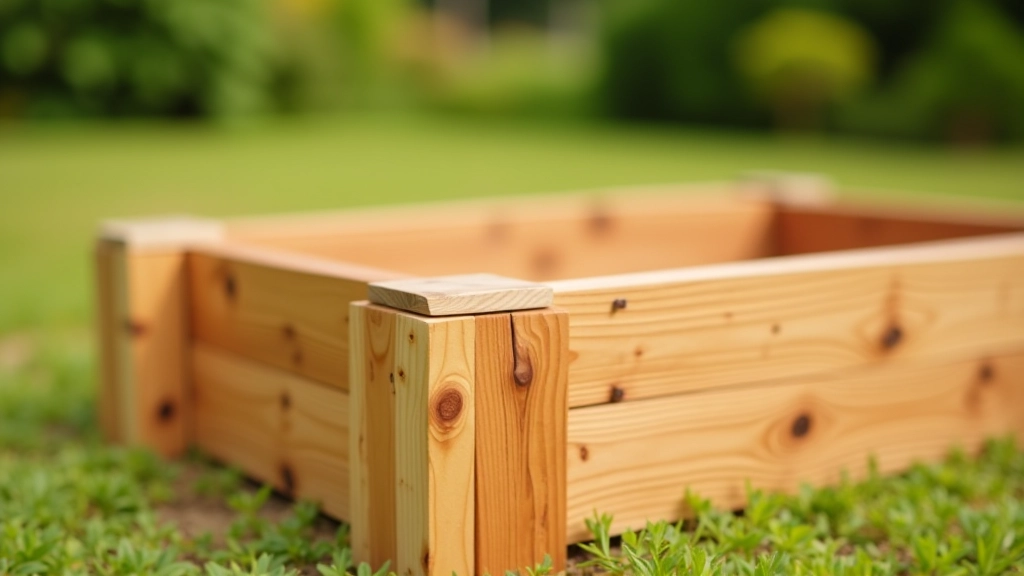
Your bed's material sets the tone for everything else. We typically recommend untreated wood like cedar or larch — they're naturally rot-resistant and look great in Lithuanian gardens. Cedar lasts 10-15 years, which is plenty of time to see if raised beds work for your space.
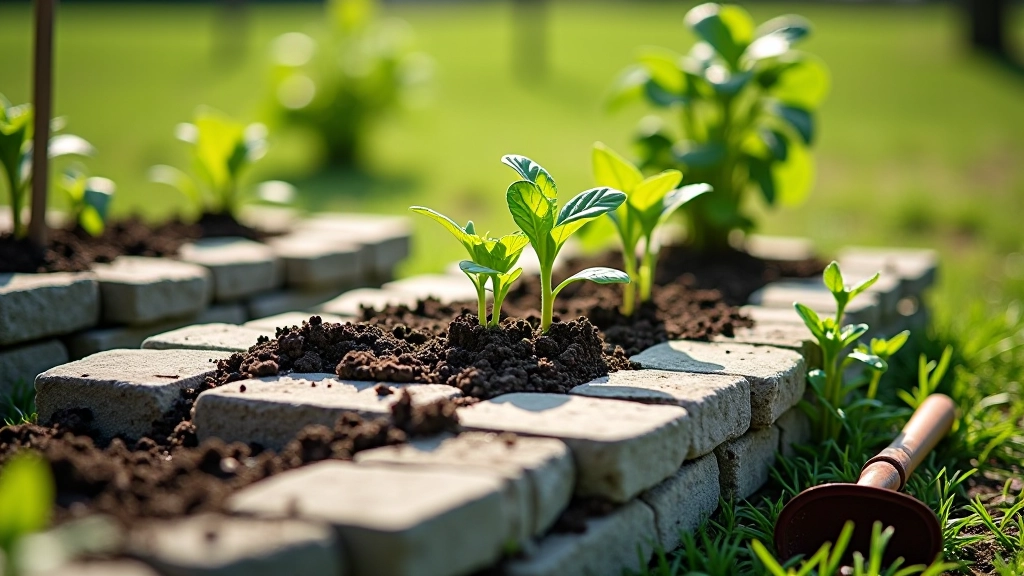
If you want something more permanent, stone or composite materials work too. Just remember: whatever you choose needs to be at least 12 inches deep for most vegetables, and 18 inches is better for root crops like carrots and potatoes. Don't skimp on height thinking you'll save money — a shallow bed means constant watering and stunted growth.
Cedar or larch wood: natural rot resistance
Minimum 12 inches deep, ideally 18
Avoid pressure-treated wood (chemicals leach into
soil)
Stone or composite for 20+ year durability
Soil Preparation is Everything
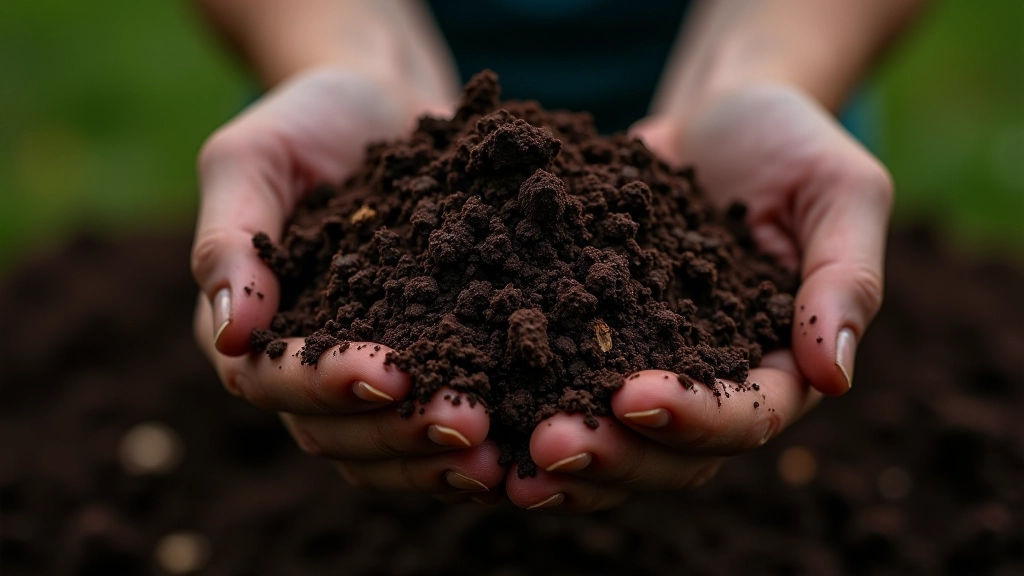
Don't just dump whatever's available into your bed. The soil you use makes the difference between thriving plants and struggling ones. We recommend a mix: about 60% garden soil or topsoil, 30% compost, and 10% perlite or coarse sand for drainage.
This combination gives you nutrients from the compost, structure from the garden soil, and drainage so roots don't rot. In Baltic climate, drainage matters — spring snowmelt and frequent rain mean you need soil that doesn't hold water like a sponge. Before planting anything, let the soil settle for a week or two. You'll notice it compacts, and that's normal.
Pro tip: Don't use pure compost or peat moss alone. You'll end up watering constantly because these materials don't retain structure well. The three-part mix creates a stable growing medium that'll support vegetables for years.
Best Vegetables for Raised Beds
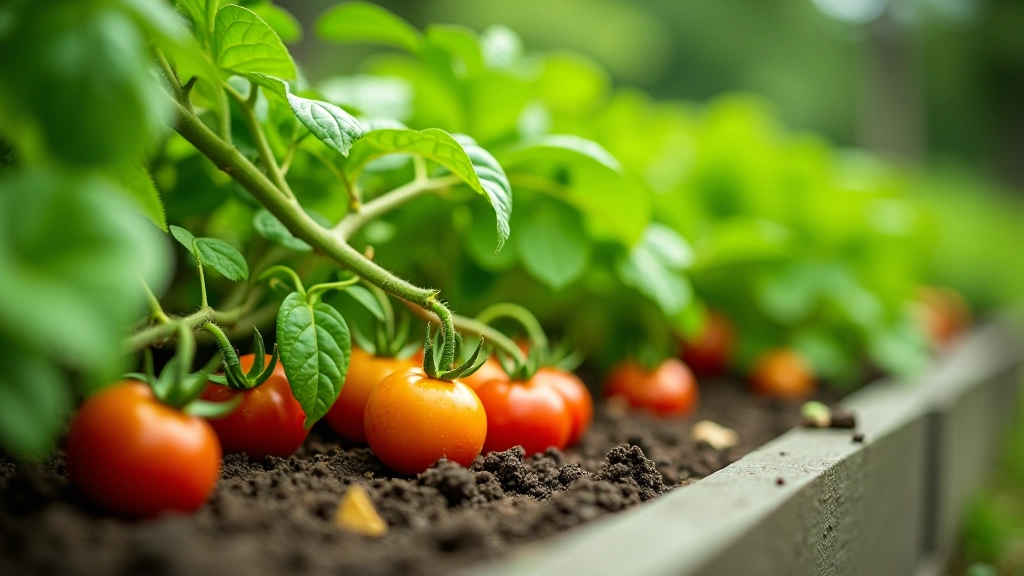
Not all vegetables are created equal in raised beds. Shallow-rooted plants absolutely thrive: lettuce, spinach, radishes, and green onions grow fast and give you harvests in 4-6 weeks. Medium-depth plants like tomatoes, peppers, and beans do great with 12-18 inches of soil. Deeper root crops like carrots, beets, and parsnips want that full 18-inch depth.
The beauty of raised beds? You can plant more densely than in ground gardens. Lettuce spacing that works in a traditional garden gets cramped in a raised bed — it's actually one of the best features. You'll get more food per square foot, and the confined space means less weeding.
Fast Growers (4-6 weeks)
Lettuce, spinach, radishes, green onions, arugula
Medium Season (8-12 weeks)
Tomatoes, peppers, beans, peas, zucchini
Patient Crops (12-16 weeks)
Carrots, beets, parsnips, Brussels sprouts
Keeping Your Beds Healthy
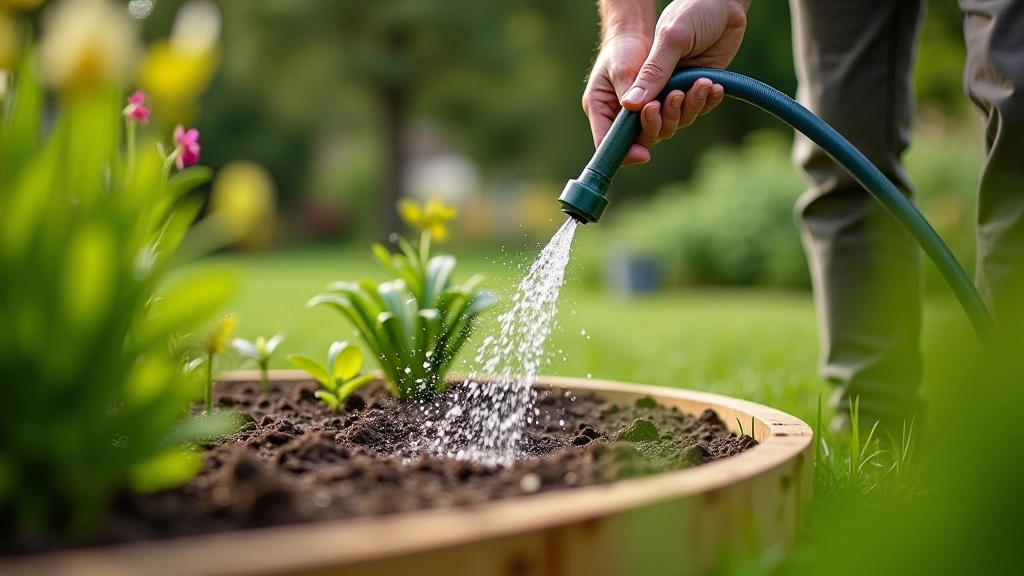
Raised beds need consistent watering — more than ground gardens because water drains faster. In summer, that's usually daily, sometimes twice daily during heat waves. Don't just sprinkle though; water deep so roots get moisture. Early morning is best, before heat stress hits plants.
You'll need to refresh the soil annually. Every spring, add a 2-3 inch layer of compost on top. This replenishes nutrients that plants used up the previous season and keeps your soil structure healthy. After 3-4 years, you might need to completely replace the soil — compost breaks down, and nutrients get depleted.
1
Water deeply and consistently — daily in summer months
2
Add 2-3 inches of compost each spring before planting
3
Monitor for pests — raised beds can make early detection easier
4
Replace soil completely every 3-4 years
Getting Started is Simpler Than You Think
Building a raised bed garden doesn't require special skills or expensive tools. A few boards, some quality soil, and seeds are all you need to start growing vegetables. The first season might feel like an experiment — you'll learn what grows well in your space, when to plant, and what you actually want to eat.
By year two, you'll have figured out your rhythm. You'll know which vegetables perform best in your microclimate, how much water they need, and when to plant successive crops for continuous harvests. That's when raised bed gardening stops being a project and becomes part of your routine.
If you're designing a complete outdoor space and want to incorporate raised beds into the layout, we're happy to help. We've integrated vegetable gardens into patios, worked around existing trees, and created functional designs that look intentional. Whether it's just one bed or a whole kitchen garden, raised beds are an investment in fresh vegetables and a more engaging backyard.
Educational Information Disclaimer
This article provides educational information about raised garden bed gardening based on general horticultural practices. Growing conditions vary by location, climate, and individual circumstances. Results depend on many factors including soil quality, water availability, sunlight, pest management, and seasonal variations. We recommend consulting with local gardening experts or extension services for guidance specific to your region. The information here isn't personalized advice — it's meant to help you understand the fundamentals of raised bed gardening.
Explore Related Topics